Resources
Featured
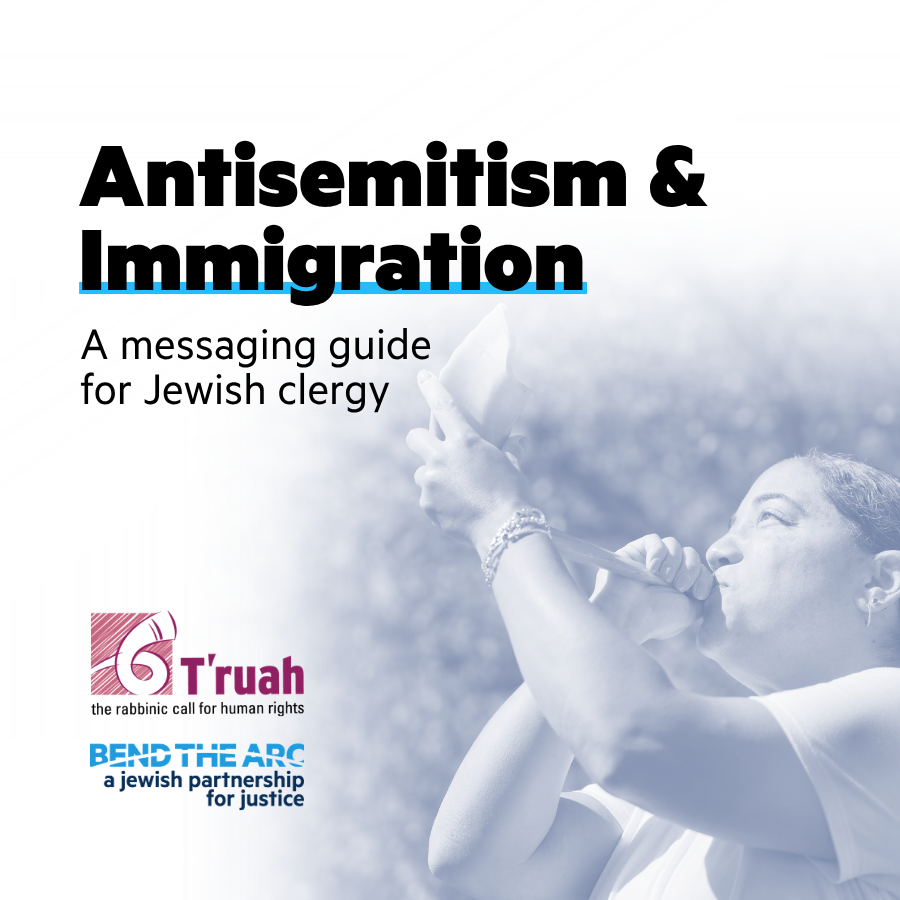
Antisemitism & Immigration: A Messaging Guide for Jewish Clergy
When the fight against antisemitism is used to harm immigrants, rabbis and cantors can be powerful voices to describe what’s at play and advocate for and inspire action towards our shared safety.

T’ruah: 2026 Poll Worker Recruitment Toolkit
Our toolkit enables you to recruit people in your community to sign up to become a poll worker.
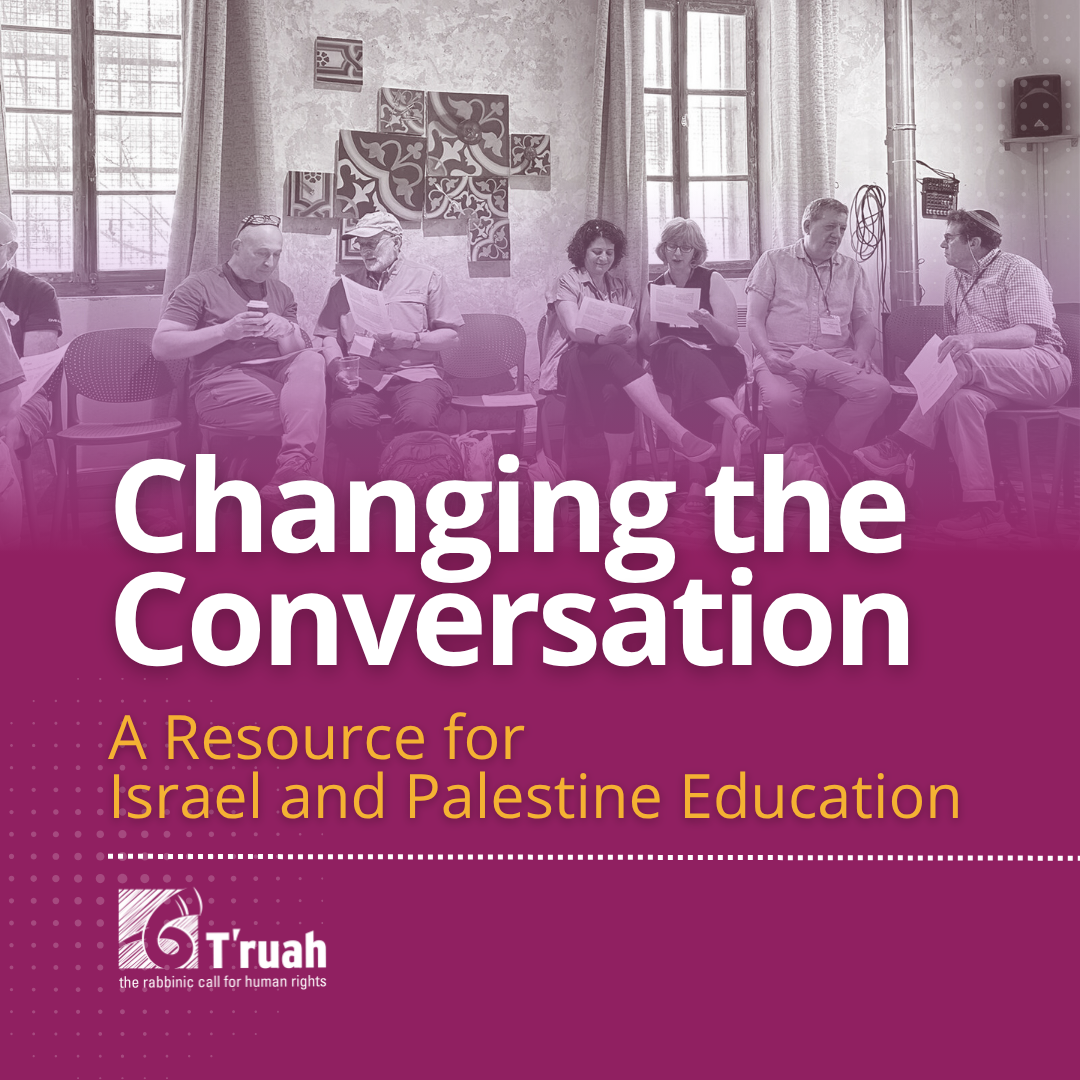
Download Changing the Conversation: A Resource for Israel and Palestine Education
An entry point for Jewish communities to engage with Israel and Palestine with depth, nuance, and care.


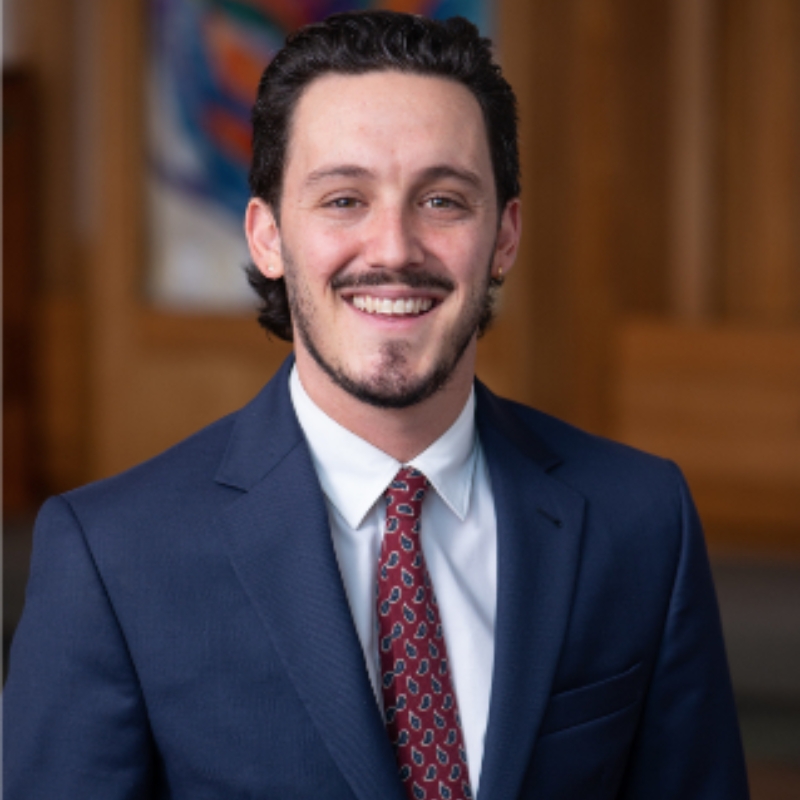
Shmini: “Aaron was Silent”
Real intimacy — with the Divine and with each other — is an ability to say I will show up, but only if I can demand that when there is destruction there is rebuilding, when there is grief there is space to mourn, when there is heartbreak there is space for healing.
more

Vayikra: A Model for Transparent Leadership
I yearn to live in a generation where everyone, including our leaders, recognizes that leaders sin; where our leaders admit their mistakes, are held accountable, and where they actively make amends.
more
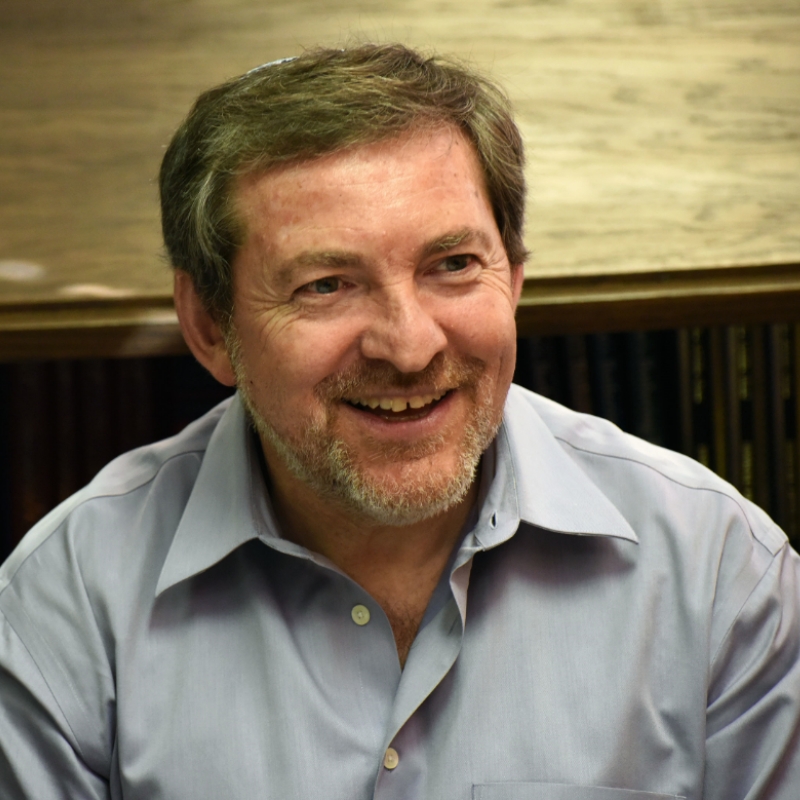
Pekudei: Culpability on the Southern Border
I went to Juárez seeking a window into what is happening along our southern border, but I left staring at a mirror of culpability and responsibility.
more
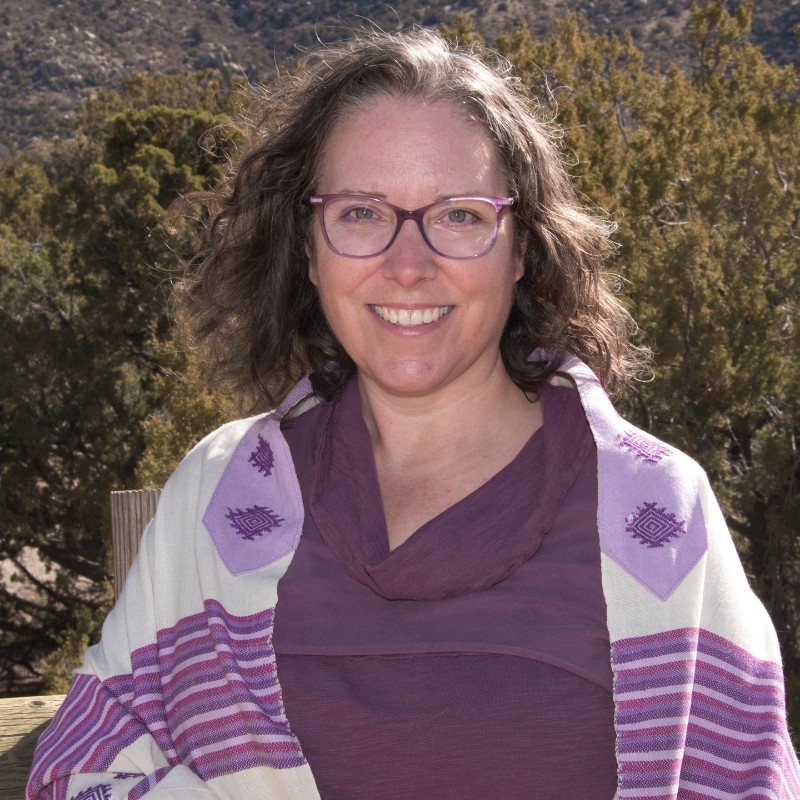
Vayakhel: Every Letter, Every One
Commanded to love our neighbors as ourselves, we understand that if we fail to see a member of our community, it is because we are not looking for them with enough love.
more
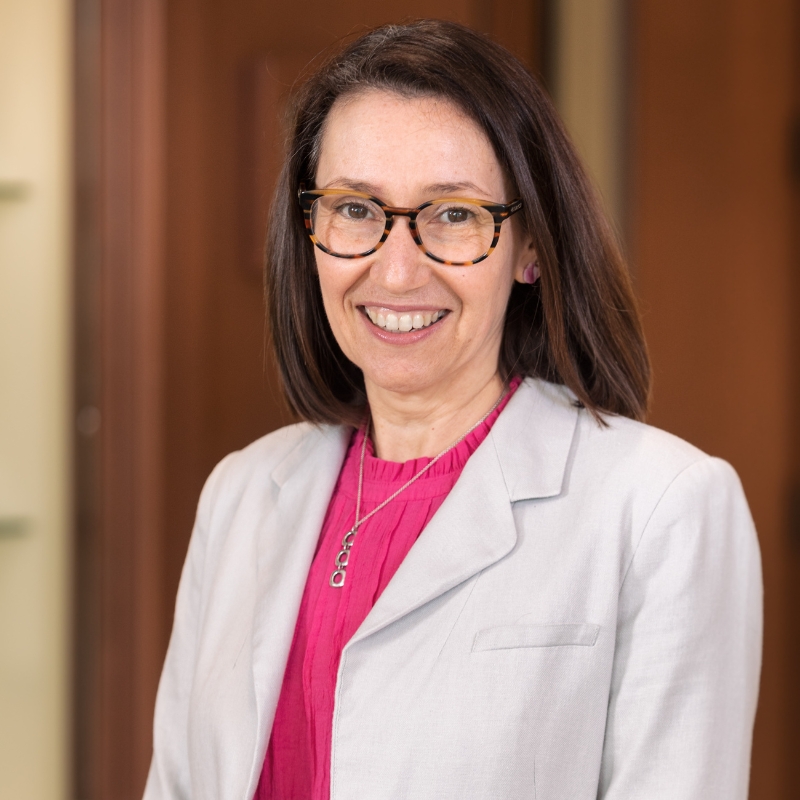
Ki Tisa: Democracies and Holiness Require Open Space
Only from an open and spacious heart can I experience a connection to what is holy. When I am focused on what I want and need, or when I am filled up with my own sense of righteousness, then what I have created within is actually a Golden Calf instead of my own small sanctuary.
more
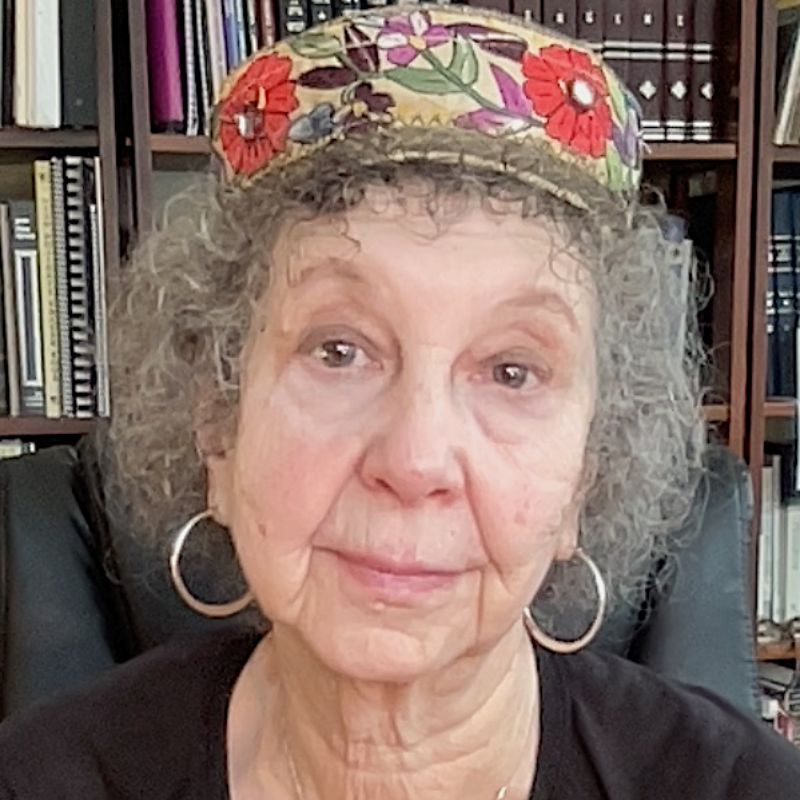
Mishpatim: Mishpatim in Montana
Mishpatim teaches that formal justice must be free of influence from bribes or wealth status, and that even the stranger deserves protection. In my home state of Montana, regressive laws recently passed in our 2023 state legislature have revoked rights and freedoms from Montana residents under the guise of “protection” and “freedom of speech."
more

Shemot: The Burning Bush in my Backyard
Despite his reservations, [Moses] is able to see that God’s presence illuminates even the most unassuming, seemingly dark and thorny places. May we, with all our insecurities, do the same.
more
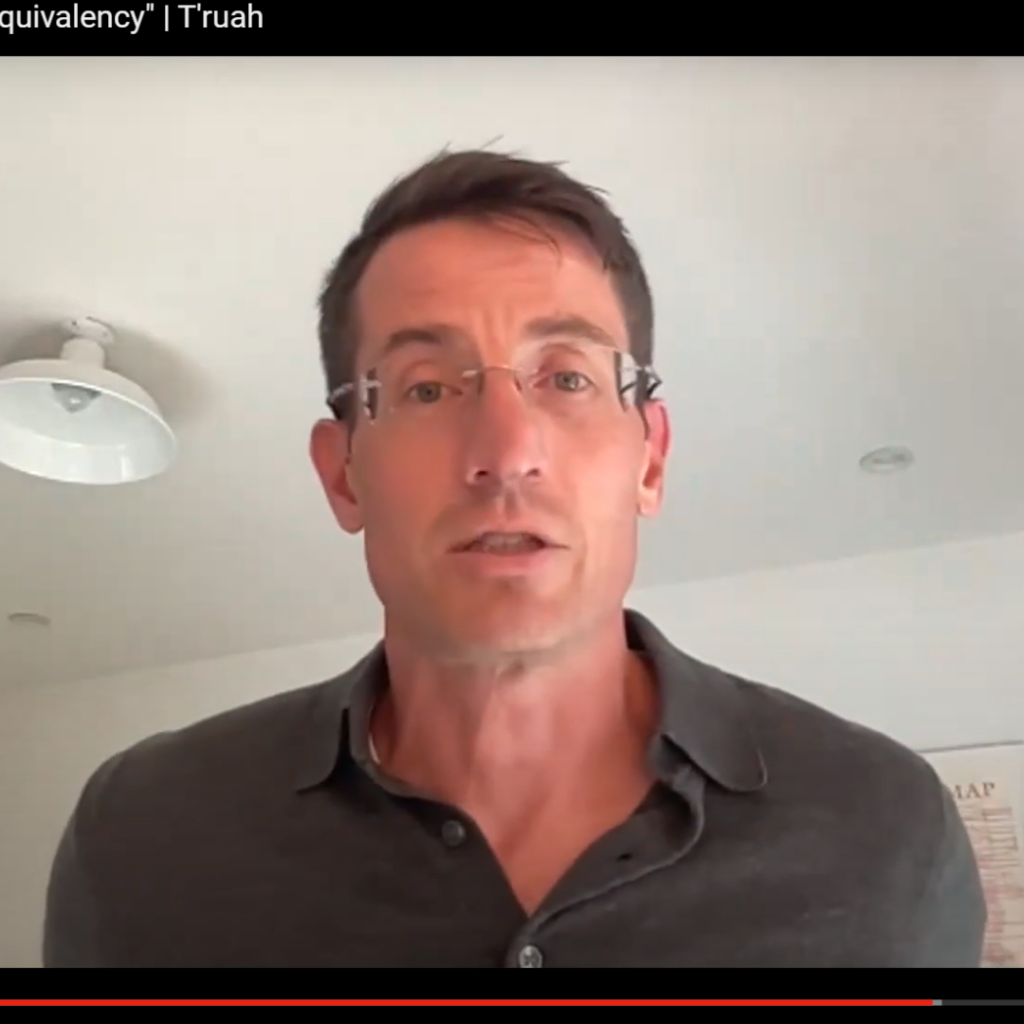
Watch: Israel-Hamas War Public Webinars
Since the attacks on October 7, T'ruah has offered public webinars for prayer and mourning, to engage with the moral challenges of the war, and to hear from staff who traveled to the region.
more
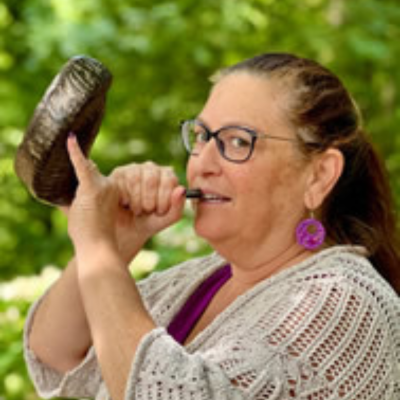
Bereshit: On Being Human, in God’s Image
I believe one reason we dispose of people who have done harm (or are accused of doing harm) is to avoid looking at ourselves and our own baser natures.
more
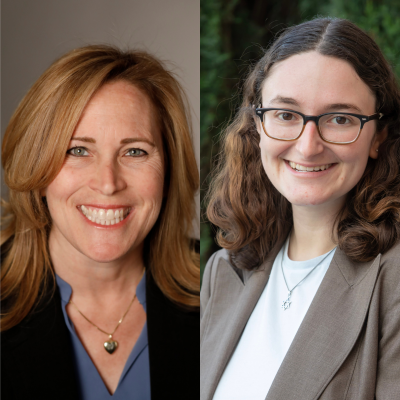
Sukkot: Sukkot and the Human Right of Dwelling Safely
Perhaps Sukkot is the festival of understanding our journey, for journeys have no concrete and steel foundations, only earth and sandy feet. And the yearning that should come out of this collective memory must be a passionate commitment to end homelessness everywhere, physical, spiritual, or national.
more