Resources
Featured
Antisemitism & Immigration: A Messaging Guide for Jewish Clergy
When the fight against antisemitism is used to harm immigrants, rabbis and cantors can be powerful voices to describe what’s at play and advocate for and inspire action towards our shared safety.

T’ruah: 2026 Poll Worker Recruitment Toolkit
Our toolkit enables you to recruit people in your community to sign up to become a poll worker.
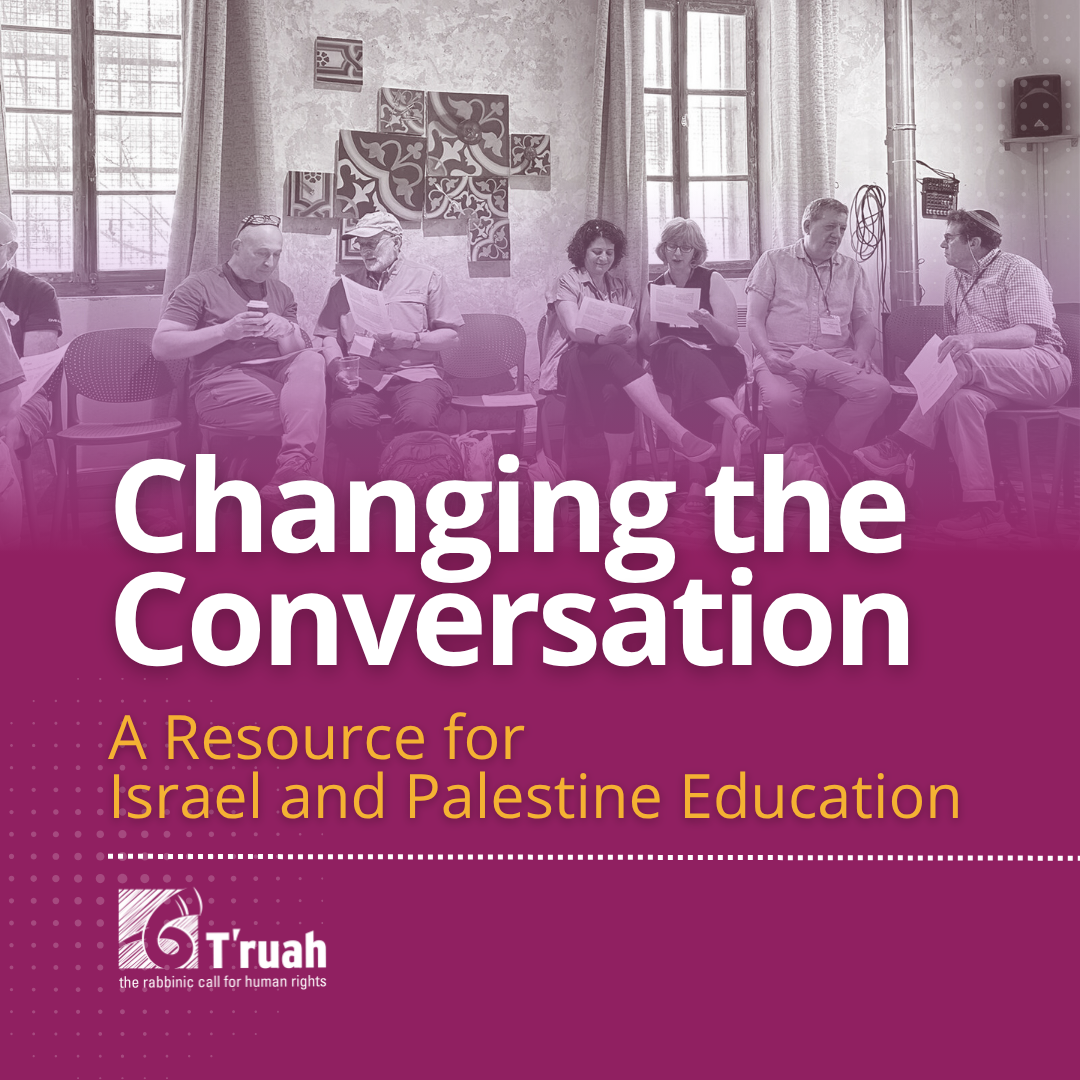
Download Changing the Conversation: A Resource for Israel and Palestine Education
An entry point for Jewish communities to engage with Israel and Palestine with depth, nuance, and care.


Facing Deep Divisions in the Jewish Community
Sources and guiding questions to help inspire and support Jewish clergy as they bring the ethical teachings of our tradition to their communities this Chanukah.
more

Matot-Masei: Community Just Might Be the Only Thing That Saves Us
When you understand yourself to be part of a community, you’ll show up, you’ll fight for your neighbor, and you won’t let concerns for your own welfare be at odds with doing so.
more

Nitzavim-Vayeilech: To Examine the Past Unflinchingly, We Need Community
Looking back can be terrifying. We are further protected by being a part of the covenantal community, thus we can look back safely, unflinchingly, to the very real horrors that have shaped our communities and our lives.
more
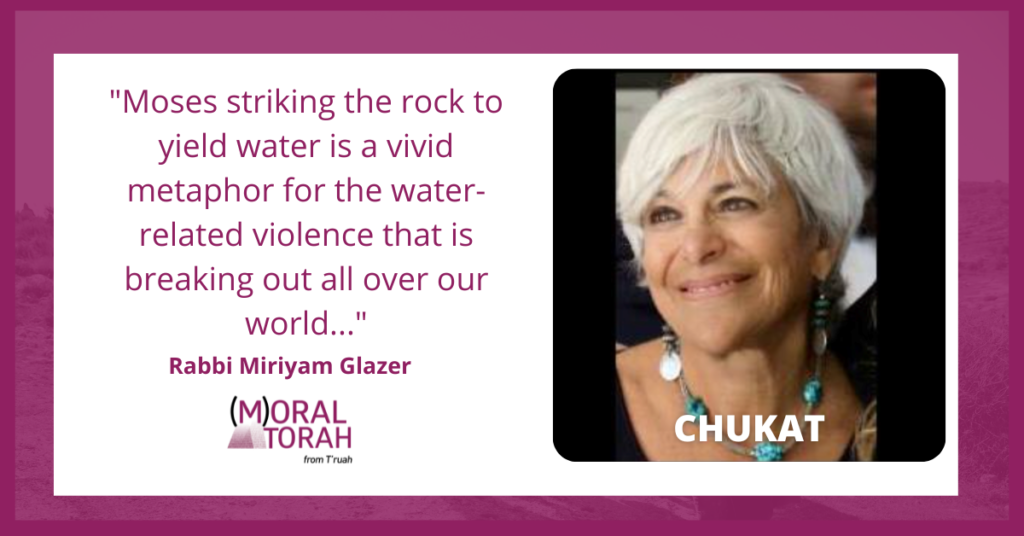
“And the community was without water….”
Our Torah depicts what can happen to us in a world without water... Moses striking the rock to yield water is a vivid metaphor for the water-related violence that is breaking out all over our world — particularly in the Middle East, as well as in South Asia and Africa.
more
From Crisis to Community: Reading Martin Buber in the time of Social Distancing
More than a century ago, Martin Buber worried about a crisis in modern life: how would increased alienation and “social distance” of modern societies affect the well-being of humanity? Both in his writings on the notion of dialogue and his writings on Judaism, Buber speaks about the spiritual dimension of human relationships as the basis...
more
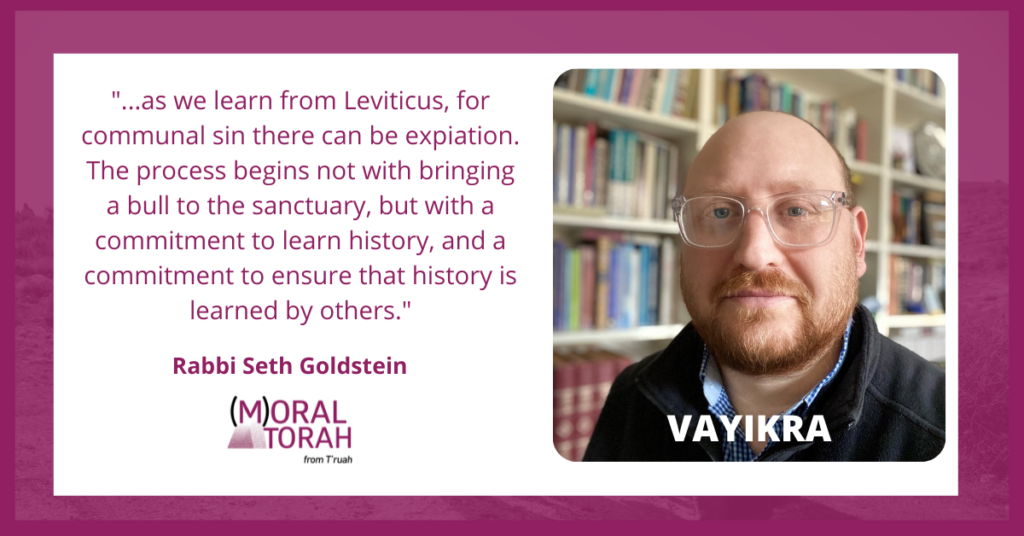
When the Entire Community Is Guilty
...as we learn from Leviticus, for communal sin there can be expiation. The process begins not with bringing a bull to the sanctuary, but with a commitment to learn history, and a commitment to ensure that history is learned by others.
more
From Crisis to Community: Reading Martin Buber in the time of Social Distancing
More than a century ago, Martin Buber worried about a crisis in modern life: how would increased alienation and “social distance” of modern societies affect the well-being of humanity? Both in his writings on the notion of dialogue and his writings on Judaism, Buber speaks about the spiritual dimension of human relationships as the basis...
more

Building Beloved Community…Creating Rewarding Conclusions
In Parashat VaYechi, Jacob is reaching the end of his life, yet the opening words quantify his life. “Jacob lived seventeen years in the land of Egypt, so that the span of Jacob’s life came to one hundred and forty-seven years.” (Genesis 47:28) Most commentators see this statement as a recognition that finally, Jacob is...
more
Simchat Torah: Nothing Great Is Ever Finished
The unfinished story at the end of the Torah is a continual reminder that even our greatest leader couldn’t complete the work, and neither can we.
more
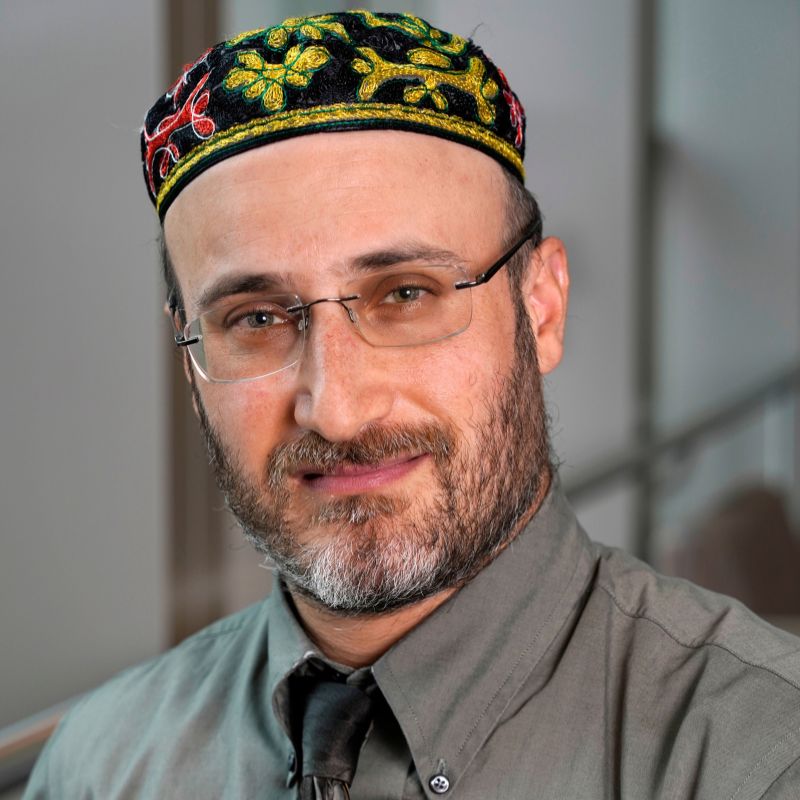
Sukkot and the Shadow of October 7: Uninviting the Angel of Death in Israel
The death penalty ultimately becomes a lethal political tool, particularly for election campaigns. “Deterrence,” “retributive justice,” and “proportional justice” can become veils for vengeance; revenge does not bring closure to victims’ loved ones.
more