Resources
Featured
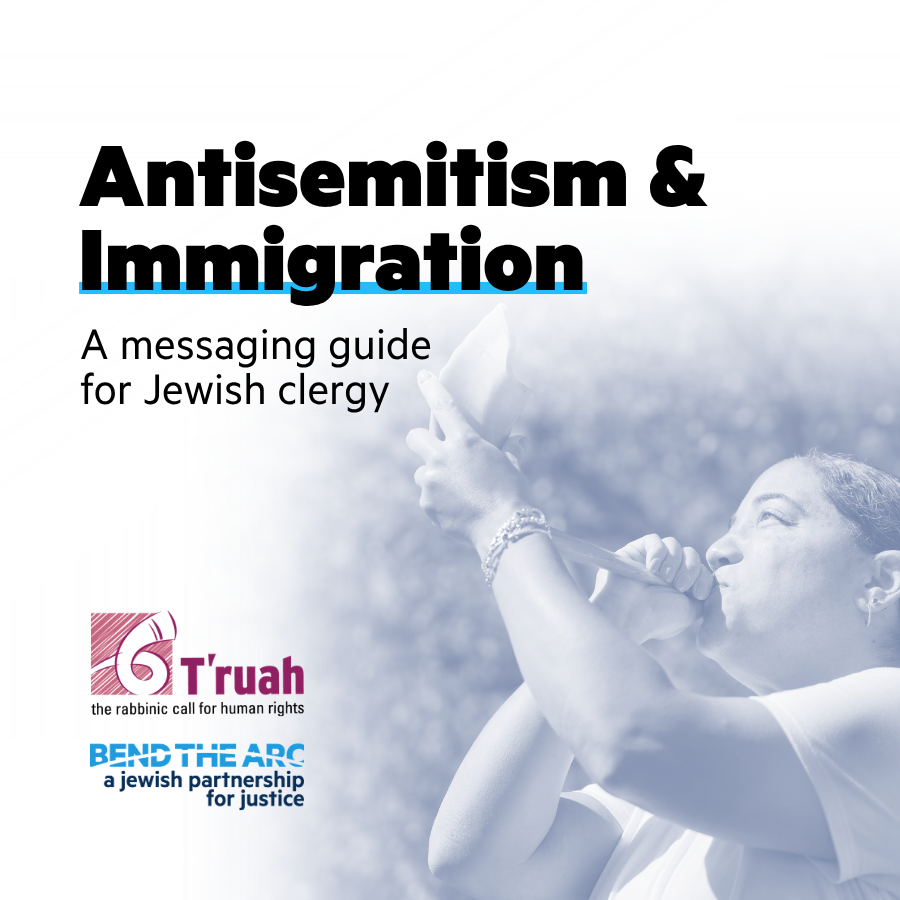
Antisemitism & Immigration: A Messaging Guide for Jewish Clergy
When the fight against antisemitism is used to harm immigrants, rabbis and cantors can be powerful voices to describe what’s at play and advocate for and inspire action towards our shared safety.

T’ruah: 2026 Poll Worker Recruitment Toolkit
Our toolkit enables you to recruit people in your community to sign up to become a poll worker.
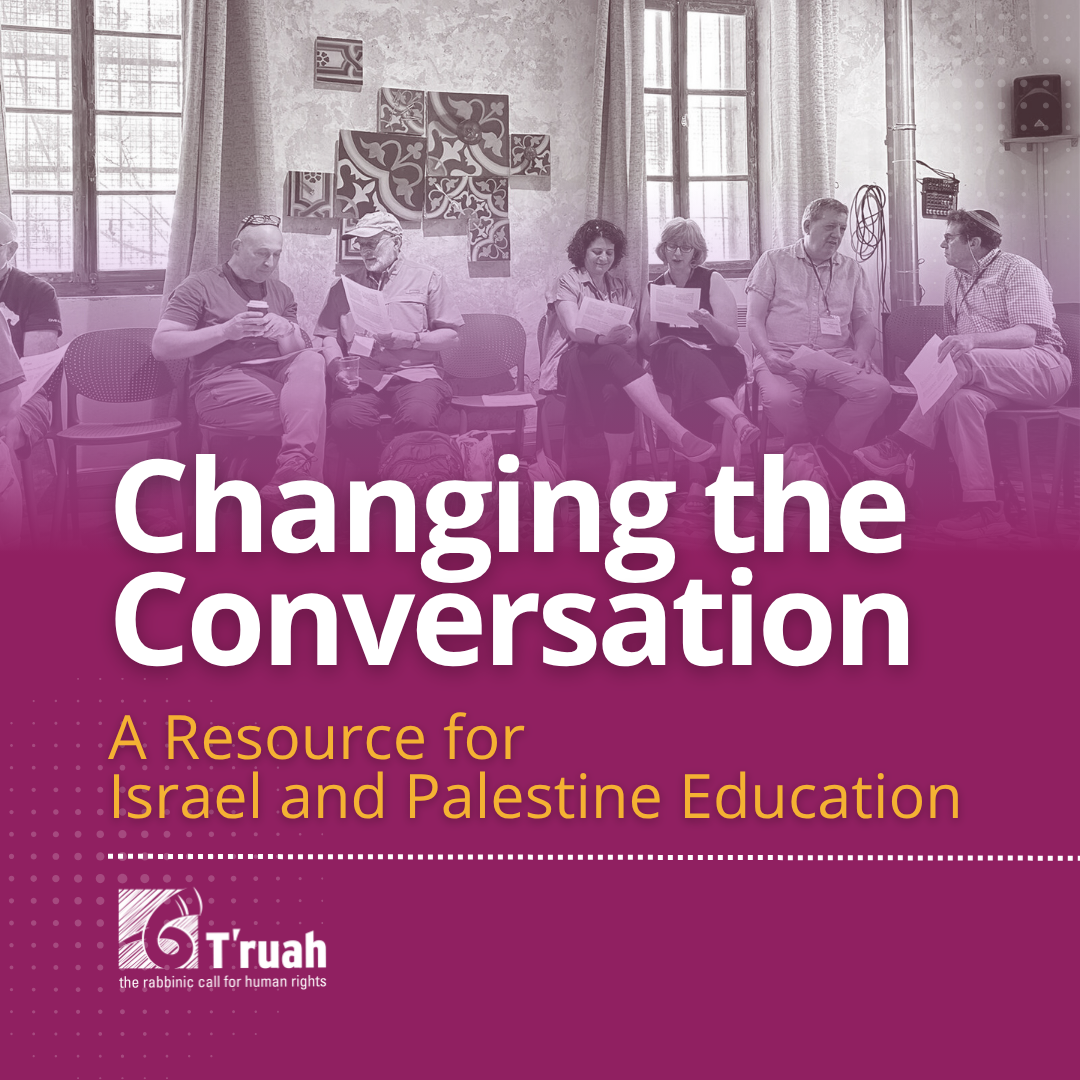
Download Changing the Conversation: A Resource for Israel and Palestine Education
An entry point for Jewish communities to engage with Israel and Palestine with depth, nuance, and care.



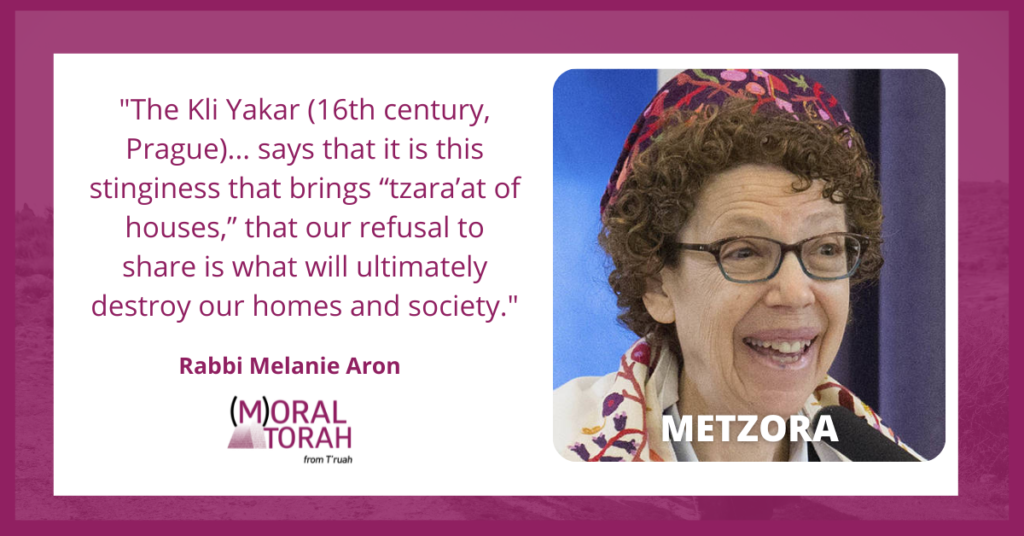
Unlearning the Tzara’at from Our Walls
The Kli Yakar (16th century, Prague)... says that it is this stinginess that brings “tzara’at of houses,” that our refusal to share is what will ultimately destroy our homes and society.
more
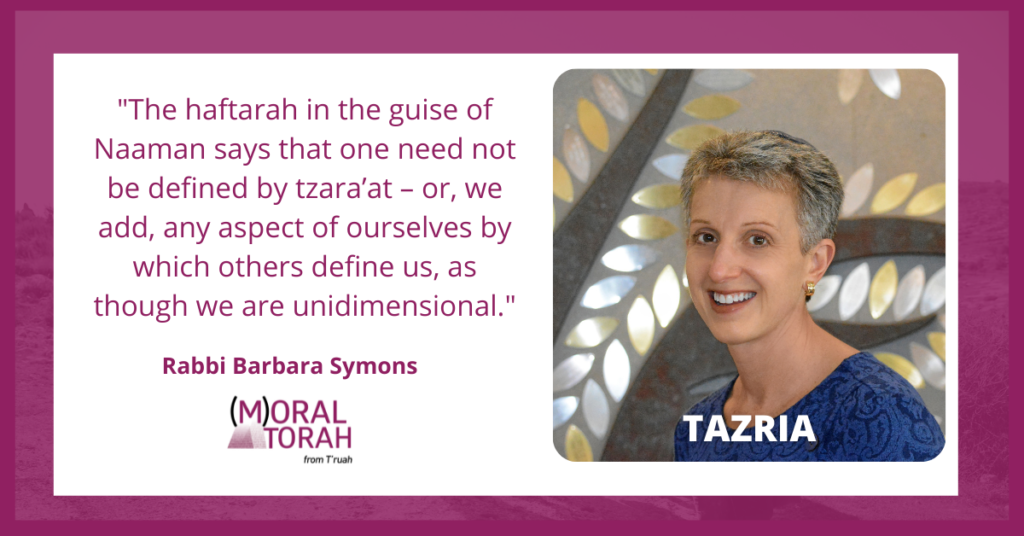
Lift Your Head
The haftarah in the guise of Naaman says that one need not be defined by tzara’at – or, we add, any aspect of ourselves by which others define us, as though we are unidimensional.
more
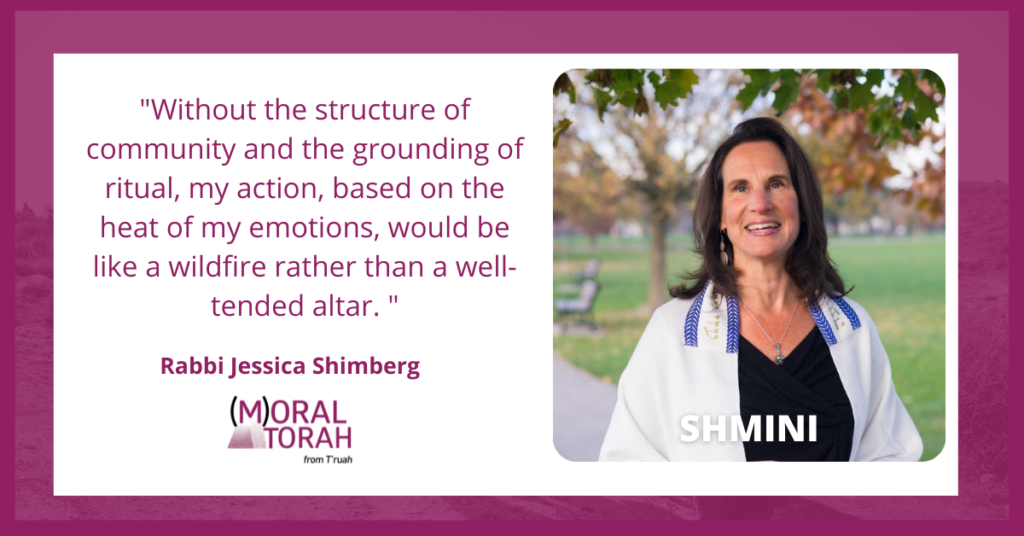
How Ritual Grounds Us For Activism
Without the structure of community and the grounding of ritual, my action, based on the heat of my emotions, would be like a wildfire rather than a well-tended altar.
more
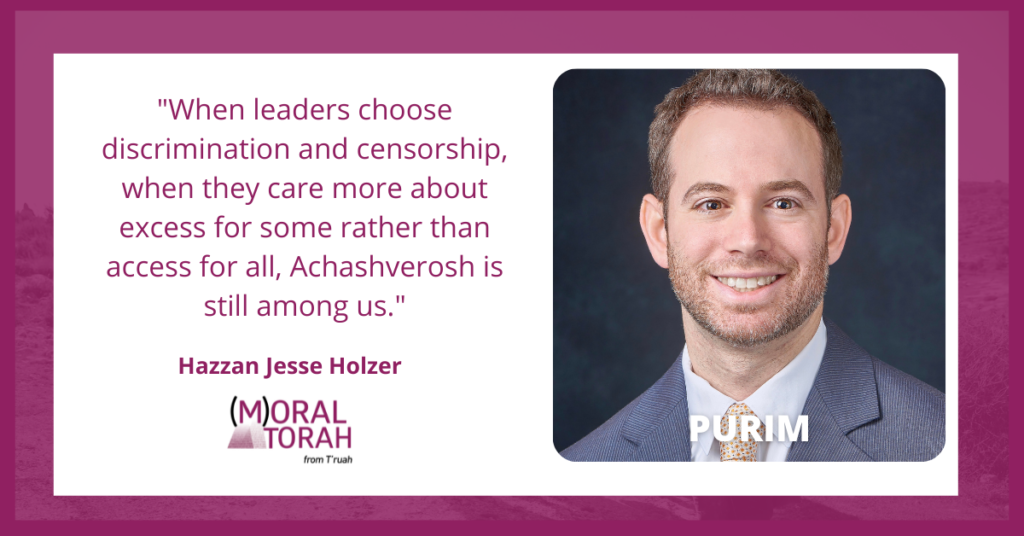
Resisting Unjust Edicts in Our Time
When leaders choose discrimination and censorship, when they care more about excess for some rather than access for all, Achashverosh is still among us.
more
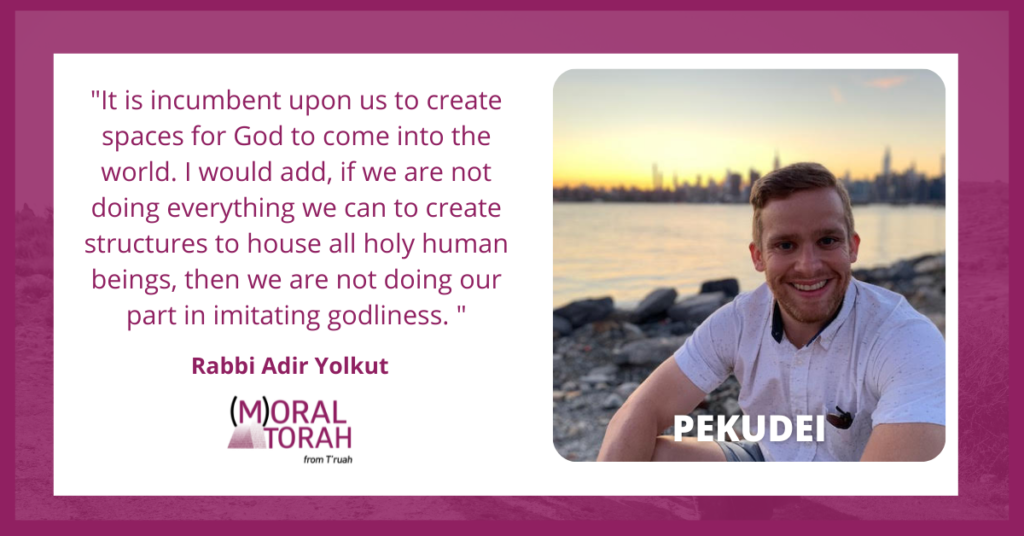
Building Structures to House All Images of God
It is incumbent upon us to create spaces for God to come into the world. I would add, if we are not doing everything we can to create structures to house all holy human beings, then we are not doing our part in imitating godliness.
more
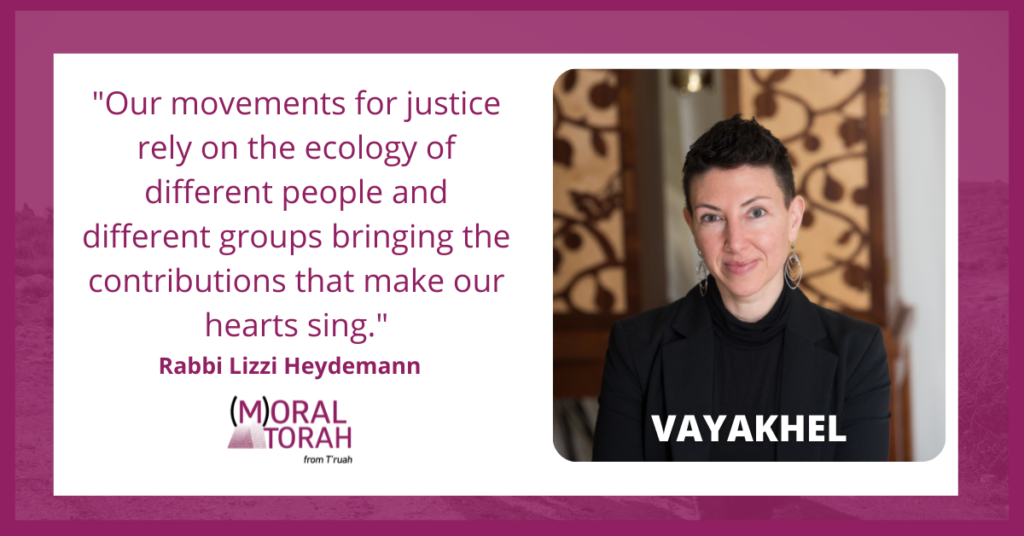
Building Mishkans Together
Our movements for justice rely on the ecology of different people and different groups bringing the contributions that make our hearts sing.
more
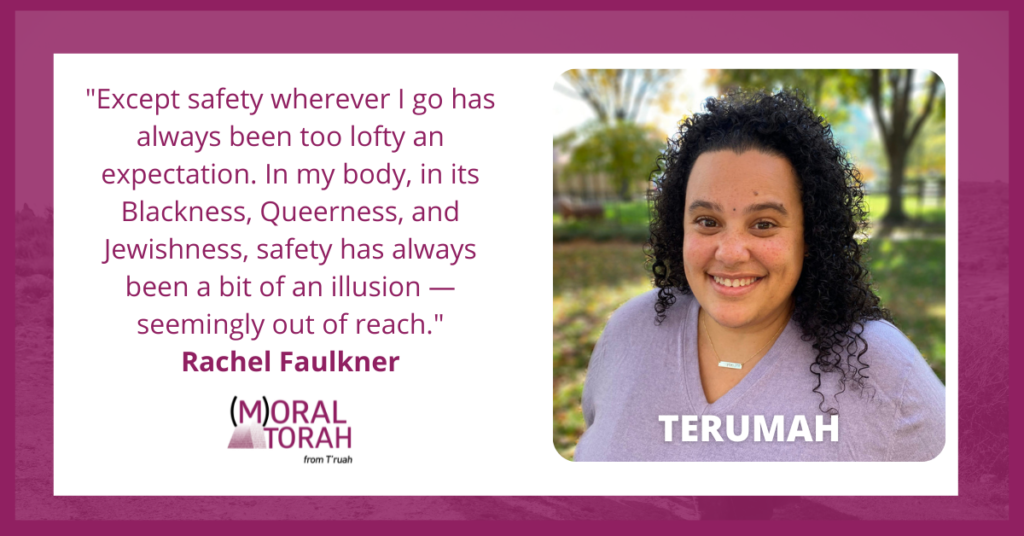
How to Make Jewish Sanctuaries Truly Safe
In this week’s portion, Terumah, Moses is given instructions for how to build a sanctuary.
more
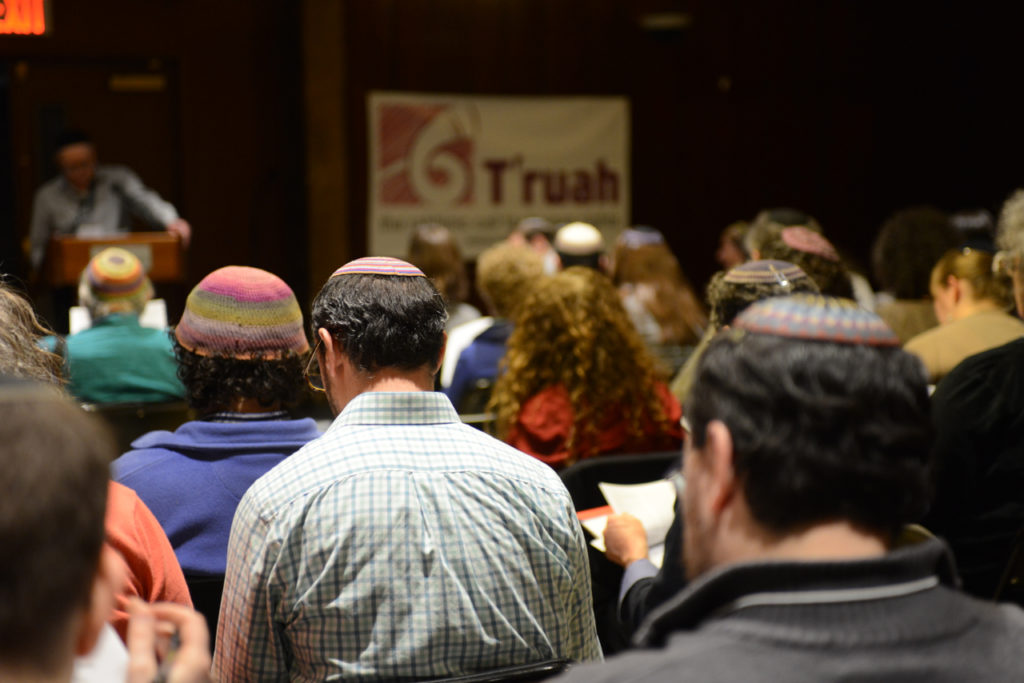
How to Use Our Very Brief Guide to Antisemitism
As a communal leader, here are some ways you can multiply the impact of our guide.
more
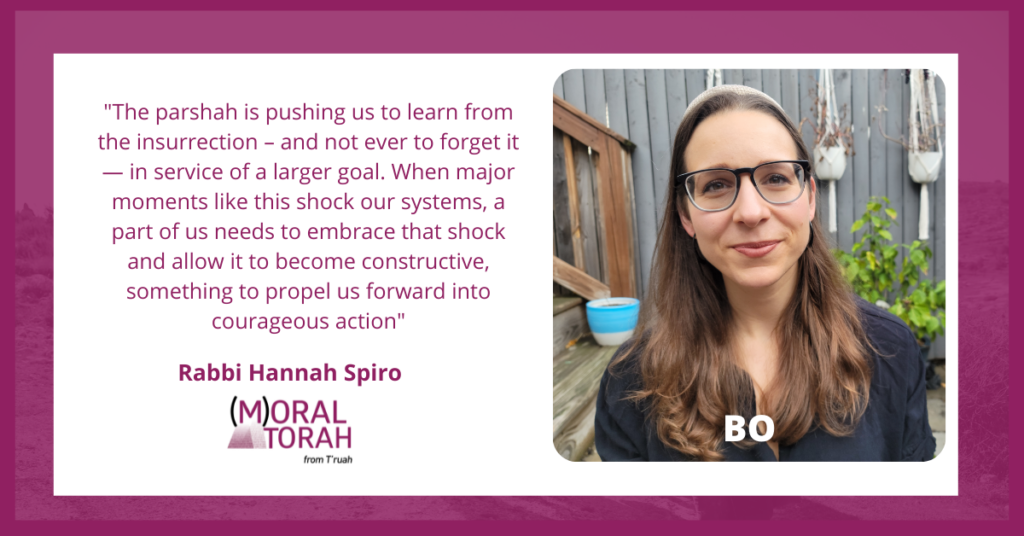
One Year After the Hard-Hearted Insurrection of January 6, 2021
The parshah is pushing us to learn from the insurrection – and not ever to forget it — in service of a larger goal. When major moments like this shock our systems, a part of us needs to embrace that shock and allow it to become constructive, something to propel us forward into courageous action.
more
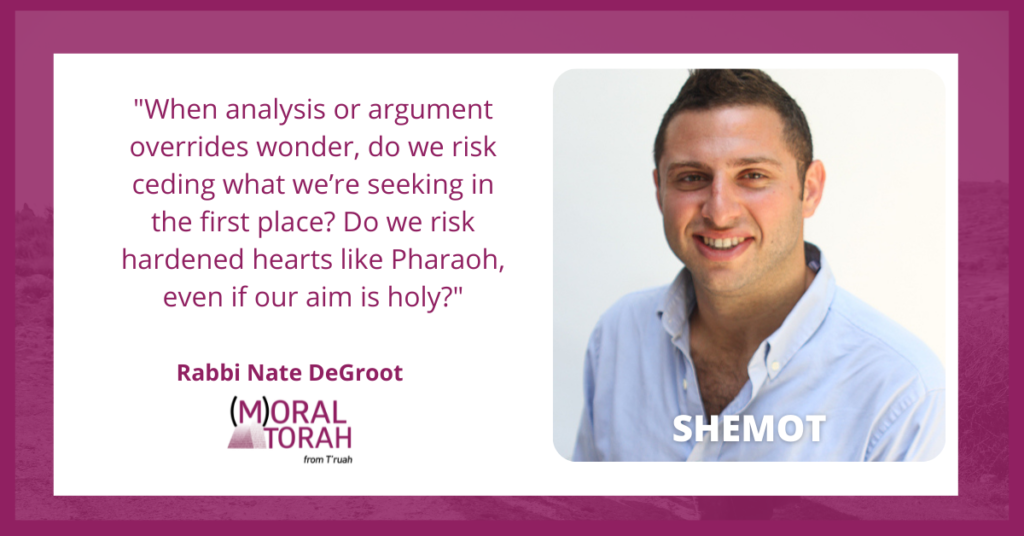
Finding God with Open Hearts
When analysis or argument overrides wonder, do we risk ceding what we’re seeking in the first place? Do we risk hardened hearts like Pharaoh, even if our aim is holy?
more