I have always been compelled by the description of the death of Aaron’s sons, Nadav and Avihu. They enter the Holy of Holies, bringing esh zarah, strange fire, and are consumed by Divine flames. Their behavior is widely condemned as being in direct violation of the detailed instructions given to the priests. And yet, the dramatic consequences of their actions have always seemed so tragic to me. They were bringing an offering, a korban.
The word korban so clearly defines the purpose of an offering, to bring one closer to the Divine. However flawed their behavior, doesn’t their desire to be close to the Divine matter? And was their act intentional?
The opening verse of Acharei Mot uses these words to open the parshah: “And God spoke to Moses after the death of the two sons of Aaron when they came near to God, and died.” (Leviticus 16:1)
The preceding detailed and clear instructions given to the priests should have been enough to help Nadav and Avihu serve properly. And yet, they chose to disobey these rules. I’ve wondered if this verse might actually be implying that they were giving of their lives on purpose with a strong desire to come close to the Divine.
Find more resources on Acharei Mot-Kedoshim.
This double portion focuses on the path of holiness. We read details of how the High Priest is to perform the Yom Kippur service. And most importantly, we find instructions about how we are to live a holy life by following the ethical commandments such as honoring our elders, giving tzedakah, and engaging in ethical business practices. We also find the command to love our neighbour and the ger, the stranger.
I myself don’t eat meat, so I am not advocating for bringing back the biblical korbanot, and yet I can imagine how these visceral practices, the drama involved, must have had a profound impact upon the kohanim (the Jewish priests) and all who witnessed them. We know that any animals sacrificed had to be without blemish, which must have meant they were not easy to offer.
We are taught that the korbanot were replaced with avodah sh’b’lev, the service of our hearts. I imagine that Nadav and Avihu were bringing offerings from their hearts. Since they had just received very clear instructions about how they were supposed to bring their korbanot, and they disobeyed these rules, they had to have known there would be grave consequences. Their hearts must have motivated them to bring the “strange fire.”
As a congregational rabbi, speaking out about social justice issues has been a challenge. My colleagues and I have been asked to make sacrifices for the sake of shalom bayit in our communities. Don’t go against what is “best for the community.” Don’t cause a fire that could be perceived as “strange.”
If I am to take seriously the command to love my neighbor, I have to speak out against what is happening in Israel, in particular the treatment of Palestinians in the West Bank. My commitment to support activists and organizations that call for an end to violence and movement toward reconciliation in the Israeli-Palestinian conflict is a core value for me. The recent bill that passed in the Knesset, authorizing the death penalty for Palestinians, is the latest in what I see as a desecration of Jewish values.
So I am left with this question: How can we be conscious and act to fulfill our ethical obligations found in this week’s double portion and, in doing so, come close to the Source of All Life, in the face of sacrifices we are called to offer?
May we find the paths to balance the call to bring the offerings from our hearts and speak with integrity, while helping our communities engage in meaningful conversations that lead to peace.
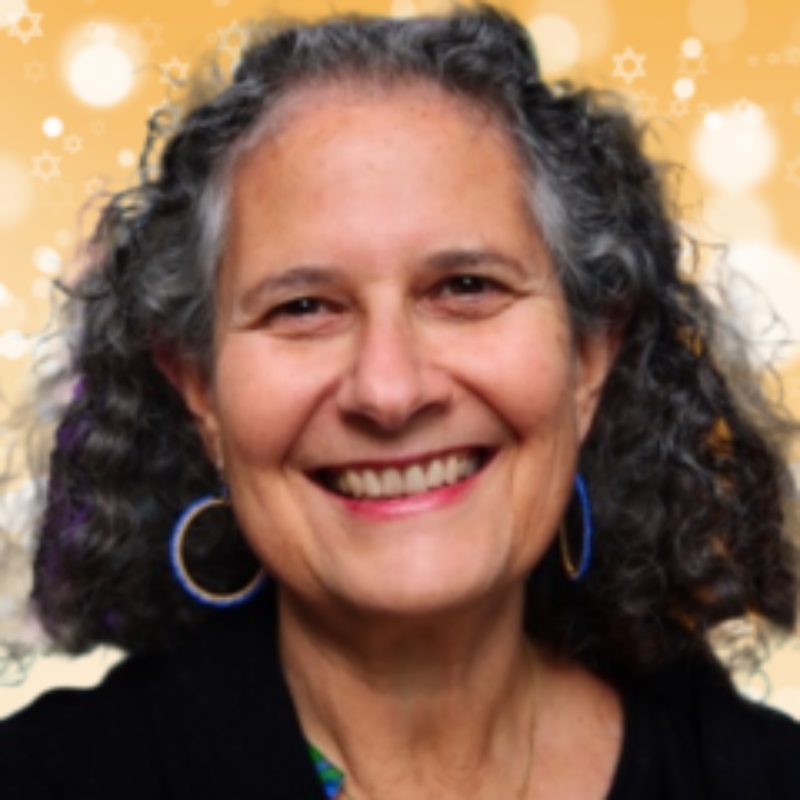
Rabbi Paula Marcus has served Temple Beth El in Aptos, CA, since 1979, first as a teacher in the religious school and preschool, then as co-principal of the religious school, then as a congregational cantor, and finally as the rabbi, beginning in May 2004, upon being ordained by the Academy for Jewish Religion in Los Angeles. She received her BA in Judaic studies from SUNY at Binghamton and her master’s degree in rabbinic studies from the Academy of Jewish Religion. She previously served on T’ruah’s board and has facilitated workshops for Jewish Funds for Justice, Communities Organized for Relational Power in Action (the local Industrial Areas Foundation affiliate), and the National Religious Action Center. She is one of the co-founders of Out in Our Faith (a local interfaith LGBTQ network).