For the past five years I have served as an elected non-partisan official, a member of my local school board. As a board member I am part of a team responsible for ensuring our district operates according to the relevant state and federal statutes, but also for considering the good of all those affected by each decision we make. Individual board members have particular priorities, but a majority must vote for any decision to be binding. I can, and do, work to make changes I think are important, but I cannot act unilaterally or ignore the rules just because I want to see something happen differently or faster.
Today in our country we are seeing the results of leadership by those who believe they are above the law — politicians and billionaires ignoring the rules which are designed to protect us and our institutions collectively. When leadership acts for their own interests, instead of thinking of all of the people they were elected to serve, everyone is put in danger.
In Parshat Shmini, Aaron’s sons ignore the rules for offerings and die when “fire came forth from God and consumed them” (Lev. 10:2). What was so terrible about the extra offering Nadab and Abihu made that they needed to die? Perhaps it was done out of ignorance, overzealousness, or a desire to make their own mark? Ultimately, it doesn’t matter. Aaron’s sons effectively disregarded the needs of the community they were meant to represent and, in ignoring the rules of the Priesthood, damaged their family and risked societal stability.
Read more divrei Torah about Parshat Shmini
When Aaron will be acting on behalf of the people, he is told “Drink no wine or other intoxicant, you or your sons, when you enter the Tent of Meeting, that you may not die.” (Lev. 10:9) Our leaders need to be making important decisions as they represent us with a sound mind. Later, Moses scolds Aaron’s remaining sons for not eating the sin-offering in the sacred area (Lev. 10:17), recognizing the importance of conducting business in its proper place for the safety of the community. As a school board member, I am also held to standards around when and how business may be conducted. Our state and national representatives, however, do not all do the same.
So, what is our obligation now when we see the equivalent of these cautions specifically laid out for us in the text ignored? When our President begins a war during a party from a side room at a resort instead of from a secure space with proper votes and approvals? When law enforcement disregards basic due process? When policy is made via social media statements? When partisanship determines follow through on criminal complaints?
In Parshat Shmini, God gives the rules for the Priesthood, so perhaps it seems reasonable that God is the one enforcing them. But our democratic institutions were created by people, making it the responsibility of people, of each of us, to ensure they are upheld. When we as a community allow those in positions of power to make decisions based on self-interest or to escape consequences for ignoring rules — whether of insider trading, sexual exploitation, or lack of adherence to basic laws and norms of governance — our societal contract breaks down, and our communal safety is threatened.
Judaism is a religion of text, where we endlessly debate the possibilities and motivations and intentions of each actor, and yet, we are also very much a faith tradition of action, judged not by what we believe, but how we act on that belief. Right now, we must act to protect our democracy, our basic rights, and the rights of our friends and neighbors. This text reminds us there are unintended consequences and dangers when actions are taken impulsively and trust in the systems, which are supposed to serve as safeguards, is broken.
Our tradition warns that our leadership cannot be above the law, or the community will suffer. May we all heed these cautions and commit to protecting our democracy and the constitutional rights of ourselves and others.
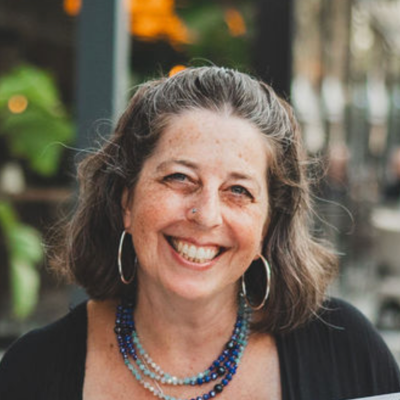
Rabbi Jeanne Snodgrass has served as the Executive Director of Mizzou Hillel since 2013 and has extensive experience in arts non-profit organizations, Jewish and arts-focused community outreach and education, and as a small business owner. In addition to her Hillel work, she serves as an elected member of her local school board and enjoys dancing, reading, hiking, and occasionally revisiting old knitting projects and pretending she’s going to finish them.