
Resources
Featured

High Holiday Sermon Resource: On Settler Violence & State Violence
Use these clergy resources to help your community make a narrative shift: expanding beyond rightful condemnation of settler violence to seeing and working against the violence of the occupation and settlement projects as a whole.
Responsibility, Guilt, Teshuva
Sources and guiding questions to help inspire and support Jewish clergy as they bring the ethical teachings of our tradition to their communities this High Holiday season.

Antisemitism & Immigration: A Messaging Guide for Jewish Clergy
When the fight against antisemitism is used to harm immigrants, rabbis and cantors can be powerful voices to describe what’s at play and advocate for and inspire action towards our shared safety.




Cultivating a Culture of Giving
For the sake of the food insecure in these difficult days, and for the future health of our country, I hope that Ki Tavo’s powerful linking of sacred space and religiosity to the obligation to give to those in need can be strengthened. As Americans increasingly seek spirituality and community outside of organized religion, community builders, religious and non-religious alike, must work to cultivate cultures of giving.
more


Our Wealth is Not Our Own: What Is Jewish Power For?
...the Torah teaches us that the particular and the universal are inextricably intertwined. Just as we need partners in the fight against antisemitism, we must use our power to become partners to others in the fights for social, racial, and economic justice. As the Talmud says, even a poor person who is sustained from tzedakah must also perform tzedakah (Gittin 7b). When we feel the fragility of our power, when we feel we need help, even then – precisely then – we must share what we have with others.
more
People Over Property
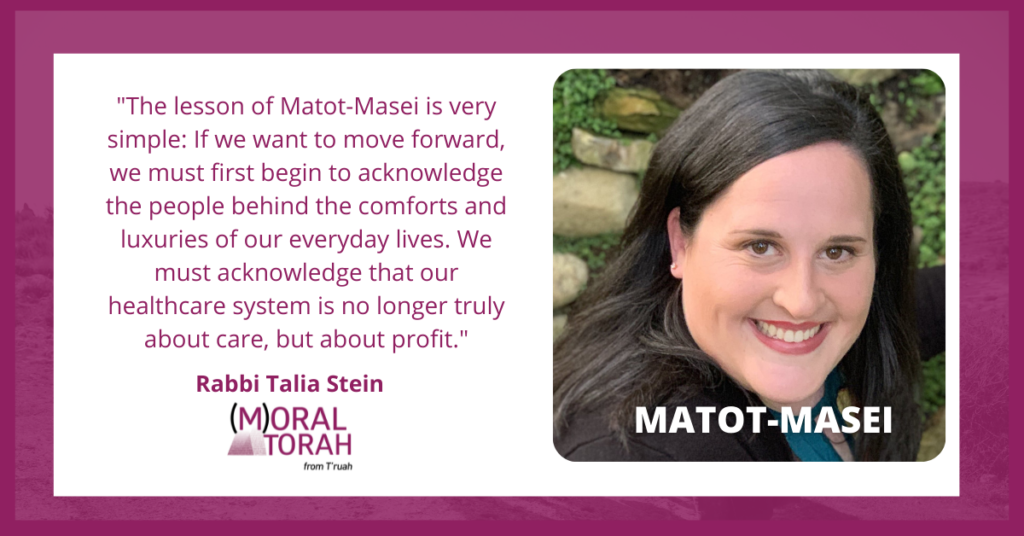
The lesson of Matot-Massei is very simple: If we want to move forward, we must first begin to acknowledge the people behind the comforts and luxuries of our everyday lives. We must acknowledge that our healthcare system is no longer truly about care, but about profit.
more

In This Stormy Moment, We Must Make Room For Everyone On The Boat
This week's Torah reading of Parshat Kedoshim questions us about our human relationships, how we treat our siblings, and how we relate to our neighbors to make this world a better place to live. So here I go back to the beginning. When I read in Kedoshim, "Do not stand before the blood of your neighbor" (Leviticus 19:16), I feel the moral obligation to shout that it is not nationality that makes a life something sacred and that we have the responsibility to watch over our neighbors.
more

Sourdough, Matzah, and the Vaccine Wait
I wonder if, this year, the lachma anya, the matzah that represents deprivation, can help us bring some meaning to the wait. While for many months our deprivation has been uncontrolled, now it is controlled, in that we can realistically hope and pray and plan for a future of abundance.
more
What Progressive Jewishness Could Have Been
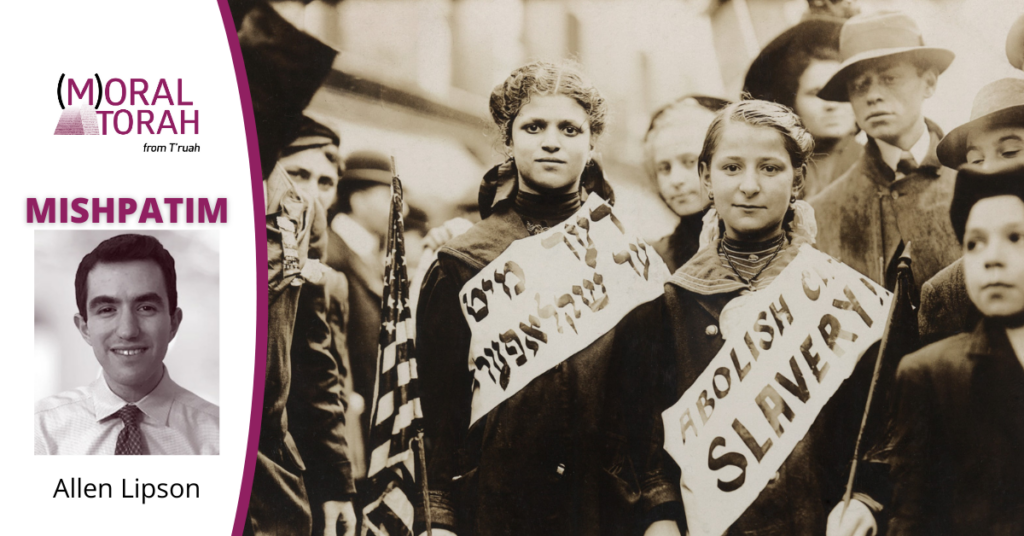
A D’var Torah for Parshat Mishpatim by Allen Lipson As workers across the country lead backs-to-the-wall organizing drives in the long odds of a COVID economy, Parshat Mishpatim’s labor laws offer a timely opportunity to reclaim the legacy of Rav Avraham Bick’s Mishnas Ha’Poel (The Teaching of the Worker), an all-but-forgotten tale of Jewish class...
more

Was Joseph a Good Person?
Let’s review how Joseph exercises power once he achieves it in Egypt. He takes revenge on the brothers who sold him into slavery, by calling them spies and holding Shimon in prison. Then, after reconciling with them, he uses his position to enrich his family, giving them the fertile land of Goshen to settle in....
more
The World as It Is and the World as It Should Be
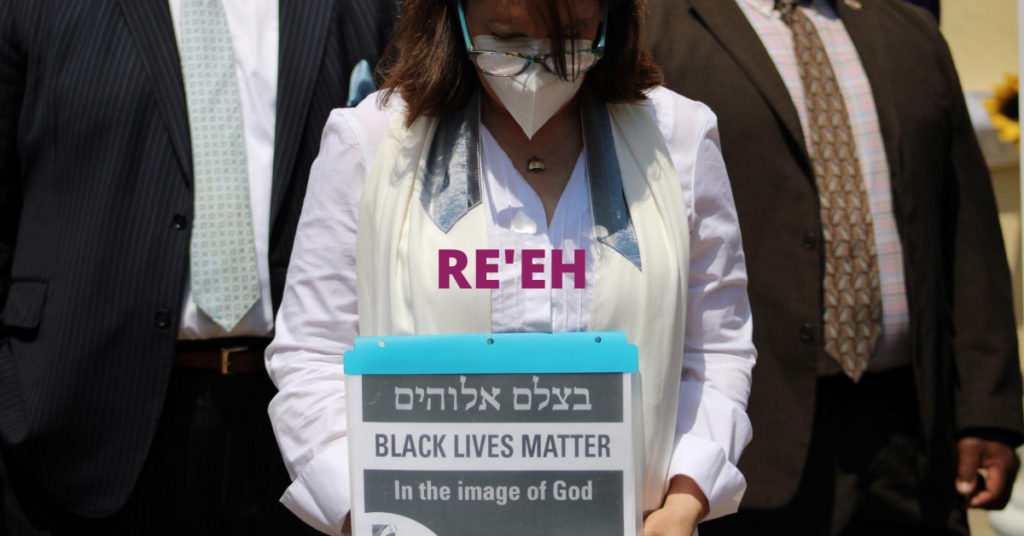
"As an organizer who encourages people to march for justice and bring their activism to the streets, I often get asked if the signs and slogans of protests are unrealistic, or would turn people away with their seemingly out of reach demands and strong language."
more
COVID-19 and Racism with Tish James 5/21/20
“This crisis has illuminated the stark inequalities that have existed in this country long before this crisis but have now been brought to the forefront.”- Attorney General Letitia James Letitia “Tish” James, the first woman of color to be elected to the position of Attorney General in New York State, spoke with T’ruah about the ways...
more