
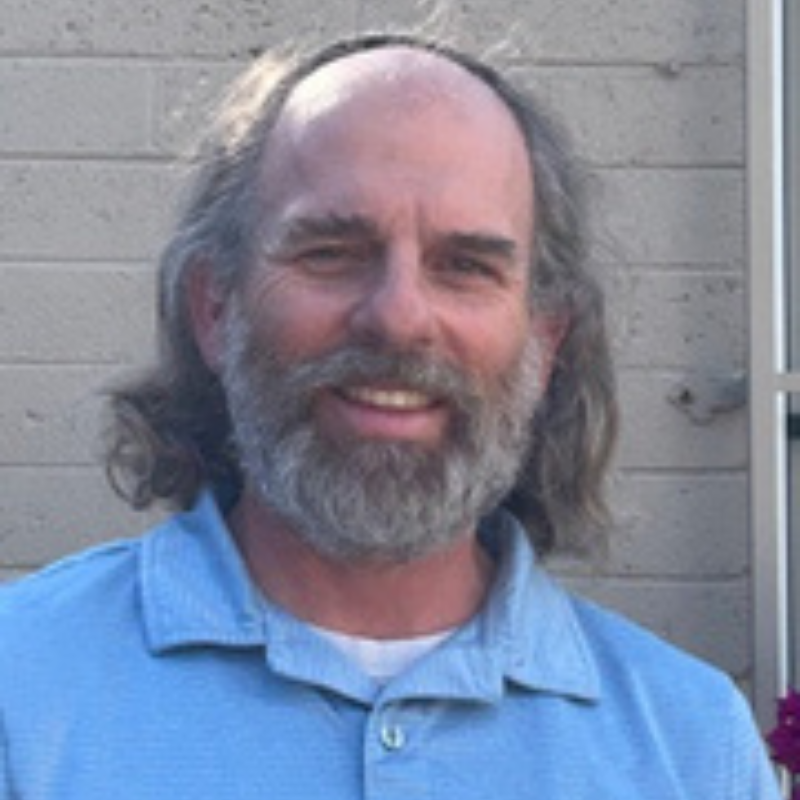
It is ironic that I have finally found my people in prison. As a Correctional Chaplain, I work with kindred spirits, among staff and Inmates, who are striving to live meaningful lives, confronting negativity within and without, and transforming themselves and their society. In one of my classes, an interfaith study, studying Abraham Joshua Heschel’s lecture, “No Religion is an Island,” we created a unique culture of understanding and affirming each person’s unique faith identity, developing a common language of personal and communal transformation. To anchor this consciousness, we wrote a holy text that we named The Shadow Wrestlers, crafted in the unique language of our day and setting, with the assistance of AI. We read this manifesto at the beginning of each class, welcoming newcomers by telling our story. It is an honor to share it here for the first time with the general public.
Like a number of people in my class, Moses also killed a man as a young adult trying to find his people. Moses, like the people I have encountered in prison, struggled with his act of taking another man’s life. The Torah never tells us that Moses regretted this act. But Moses’ struggle is highlighted in this week’s Torah portion, Ki Tisa, as Moses persuades God to reconcile with first himself and then the people after the people’s capital sin, worshipping the Golden Calf.
Find more resources on Ki Tisa.
The removal of God’s direct presence is the ultimate rupture in the relationship between God and the people: “The Lord spoke to Moses, ‘Get up from this, you and the people who you brought up out of the land of Egypt to the land that I swore to Abraham, Isaac, and Jacob…I will send an angel before you…but I will not go in your midst, since you are a stiffnecked people, lest I destroy you on the way.’” (Exodus 33:1-3)
It seems like God is not just expressing to Moses his anger about the people, but is actually rebuking him. Perhaps this recalls the rebuke he received when he confronted the two Hebrews fighting the day after he killed the Egyptian man: “Who put you as a man of authority and judge over us? Are you planning to kill me like you killed the Egyptian man?” (2:14) God’s threat of the removal of God’s presence from the people and perhaps from him, leaves Moses vulnerable to this question. Is Moses, who killed a man, qualified to lead the people? Hence, Moses focuses on his own relationship with God:
Moses said to the Lord, See You say to me, ‘Lead this people forward,’ but You have not made known to me whom You will send with me. Further, You have said, ‘I have singled you out by name, and you have, indeed, gained my favor.’ Now, if I have truly gained Your favor, pray let me know Your ways, that I may know You and continue in Your favor. Consider, too, that this nation is Your people (33:12-13).
Even after he took the life of another man, Moses remembers that God singled him out by name, finding favor in him. Here, Moses builds on this by seeking reassurance of God’s forgiving nature once again. The exchange between God and Moses builds in intensity culminating in the revelation of God’s loving nature to Moses, known as God’s 13 attributes of Mercy (34:6-7). By seeking God’s mercy for himself, Moses is forged into the paradigmatic prophet, ready to stand up for the people. “Let the presence of my Lord go in our midst, even though it is a stiffnecked people. You shall forgive our trespass, our sin, and you shall take us as your own.” (34:9)
Find more resources on mass incarceration.
In prison, I have witnessed many people who have directly faced the consequences of their crime. By doing so, they find the will to continue forward in the midst of such darkness, distinguishing themselves from the negativity of their present internal and external circumstances, seeking God’s forgiveness and their own, restoring themselves and their relationships with their families, accepting full accountability for the harm they inflicted upon their victims and their community of care, and, ultimately, working to repair their society. We call this process Restorative Justice.
On Yom Kippur, the rabbis place the 13 attributes throughout the services of the holiday, making Moses the model each of us is to emulate — personal teshuvah and restoration that lead to communal responsibility and advocacy. I invite you to join me in looking inside prisons to find your people — leaders like Moses who embody accountability, divine mercy, and human reconciliation.
Ruven Barkan has served as a Correctional Chaplain at the Arizona Department of Corrections Rehabilitation and Reentry for the past five years. He has developed multiple curricula that he teaches at the prison, including a Restorative Justice Dialog Group, Hebrew Bible in Hebrew, and an Interfaith Text Study. He lives in his hometown, Tucson, with his partner and two children.