At the end of chapter 27 of Parshat Ki Tavo, we read about a strange ceremony. God tells Moses that half of the tribes stand on Mount Gerizim and proclaim blessings, while the other half stand on Mount Eval and proclaim curses. While the blessings are presented as a series of positive outcomes for following God’s commandments, the curses are a list of actions that will result in being cursed.
In this list, the verse that has always stuck out to me is Deuteronomy 27:19: “Cursed is the one who subverts the rights of the stranger, the orphan, and the widow.” This is far from the only time that the Torah instructs us about proper treatment of these three categories of people; in fact, “love the stranger” is famously one of the most commonly repeated commandments in the Torah. However, this particular phrasing of “subverting the rights” of these people is unique to this verse.
Why these three categories of people, and what does it mean to subvert their rights? Several commentators explain that this verse is included here because subverting the rights of strangers, orphans, and widows can occur stealthily. It therefore fits with the theme of the rest of the list, which are all sins that can be easily hidden: moving a neighbor’s property landmark, misdirecting a blind person, inappropriate sexual conduct with a family member, violence against a neighbor that occurs in secret.
Find more resources on Ki Tavo.
Chizkuni’s commentary on this verse explains that strangers, orphans, and widows are all categories of people who lack influential protectors who will protest their mistreatment. Rabbi Adin Steinsaltz elaborates:
These individuals are not always aware of the fact that their judgment has been distorted. The stranger might be unfamiliar with local laws and customs, the orphan is young and inexperienced, and the widow, accustomed to being under the aegis of her husband, would not typically be familiar with legal and procedural matters. Therefore, it is often a simple matter for the judges to distort their judgment without the matter coming to light.
In other words, this curse is specifically for injustice committed against people who are treated as outsiders in the community. This might include those who are new to the community, those who don’t understand the intricacies of the law, or those who are not represented in the halls of power. These people are vulnerable because there is no one looking out for them, so it’s easy to get away with treating them unfairly.
Find more resources on Social Justice: Leadership and Philosophy.
The Torah’s solution is to admonish those who would treat these categories of people unjustly. But I think the solution needs to be deeper than that. Rather than simply telling those in power to be fair, we need to look at who is being included and represented in leadership. If there is no one protecting the most vulnerable categories of people, then we not only need to step up to protect them, but we also need to help them gain the power to protect themselves.
In my work on synagogue belonging, we often ask the question: Who is not in this room? Whom are we leaving out of the conversation? Whom might we be pushing away by not making space for them? Who is being treated as an outsider? For my community, those marginalized groups include people of color, LGBTQ+ people, people with disabilities, interfaith families, and people with different levels of religious observance. We are taking steps to bring these people more fully into the conversation and to make sure that they are represented in our community’s decision-making.
It is not enough to say “treat marginalized people fairly;” the simple absence of unfairness doesn’t make us welcoming. Instead, we must examine the roots of injustice and take active steps to create change. We must look more closely at who is marginalized and why, and work to give those who have been marginalized a voice.
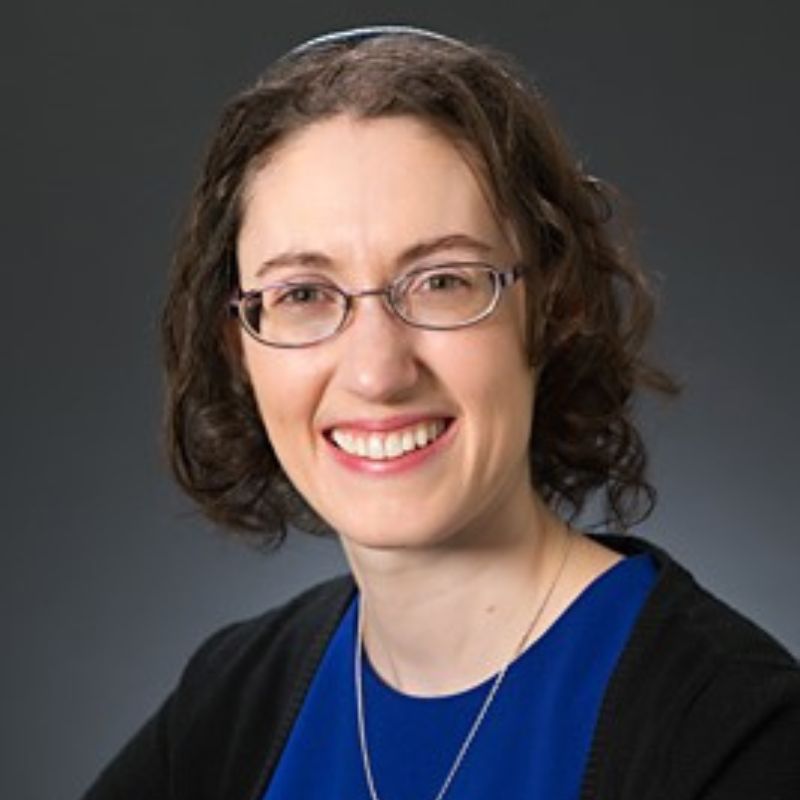
Cantor Sarah Bolts (she/her) is the associate cantor at B’nai Israel Congregation in Rockville, MD, where she works on belonging and inclusion initiatives in addition to her cantorial duties. She was ordained at Hebrew College in 2016. Prior to her ordination, Cantor Bolts spent many years as an active leader at Kavod Boston, a social justice-oriented Jewish community for young adults.